

See what security film actually does
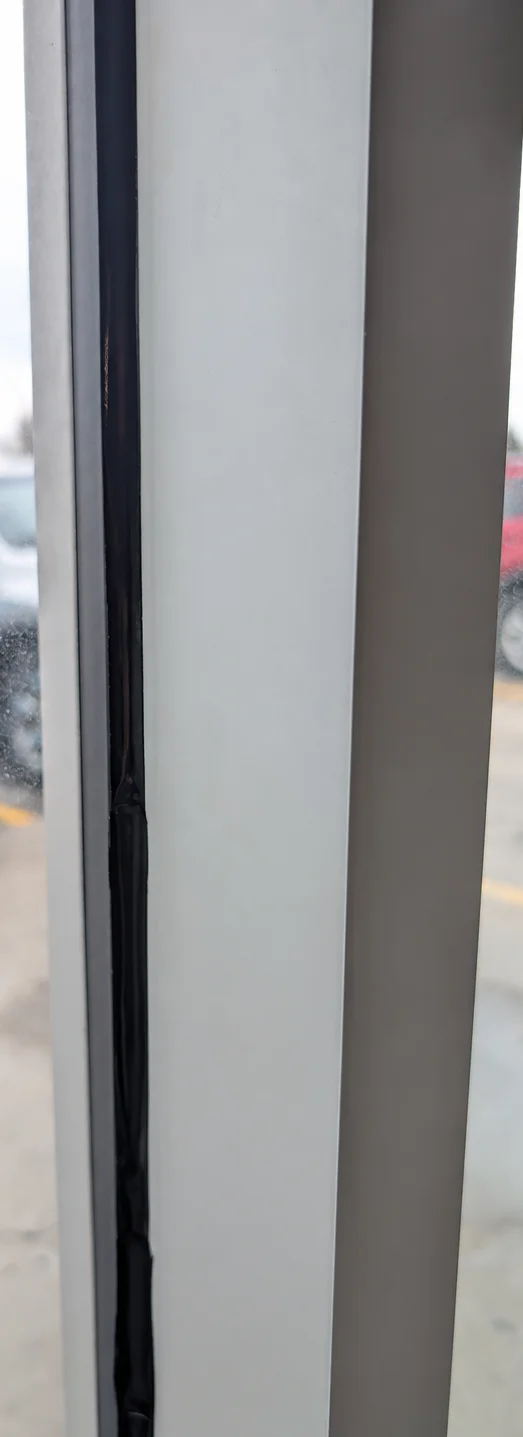
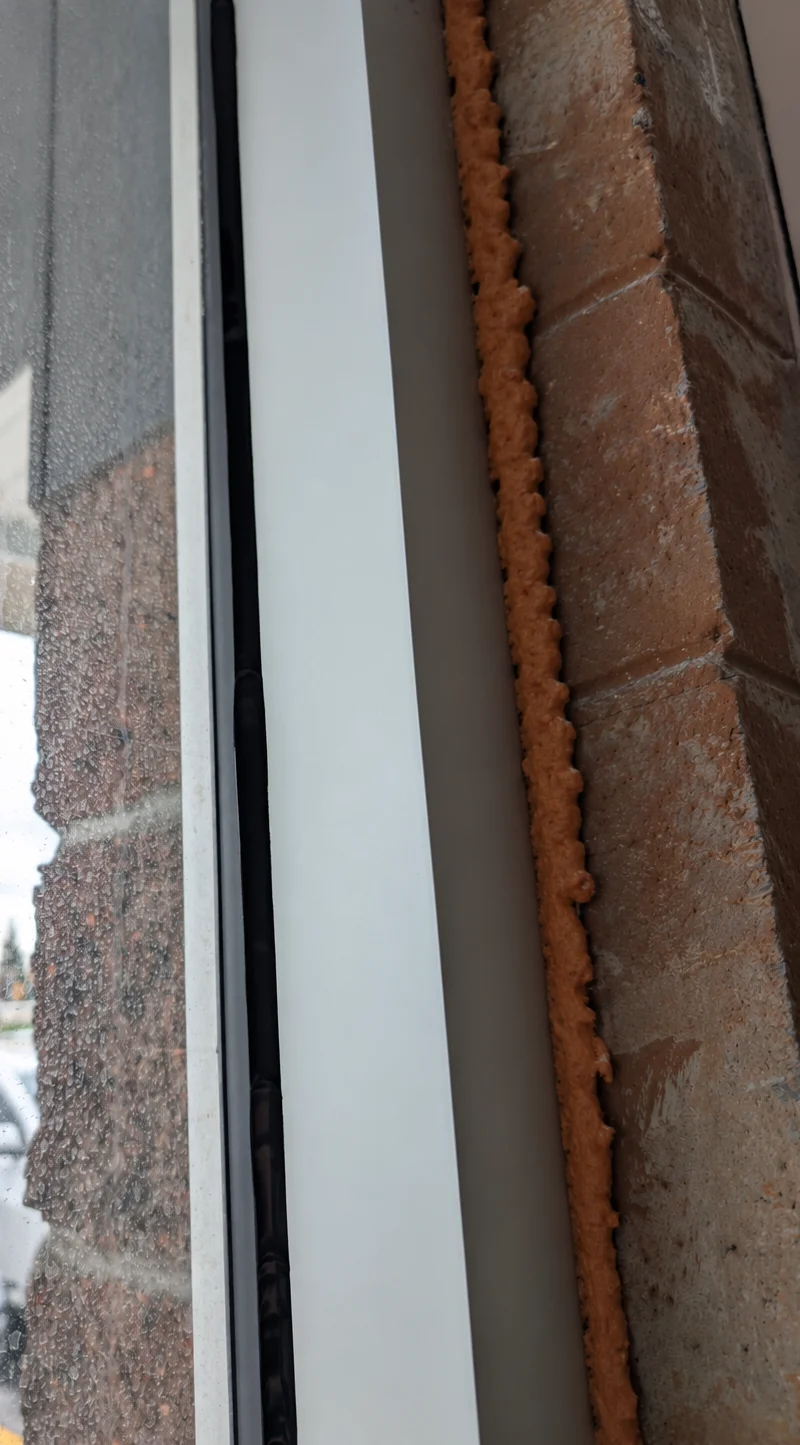
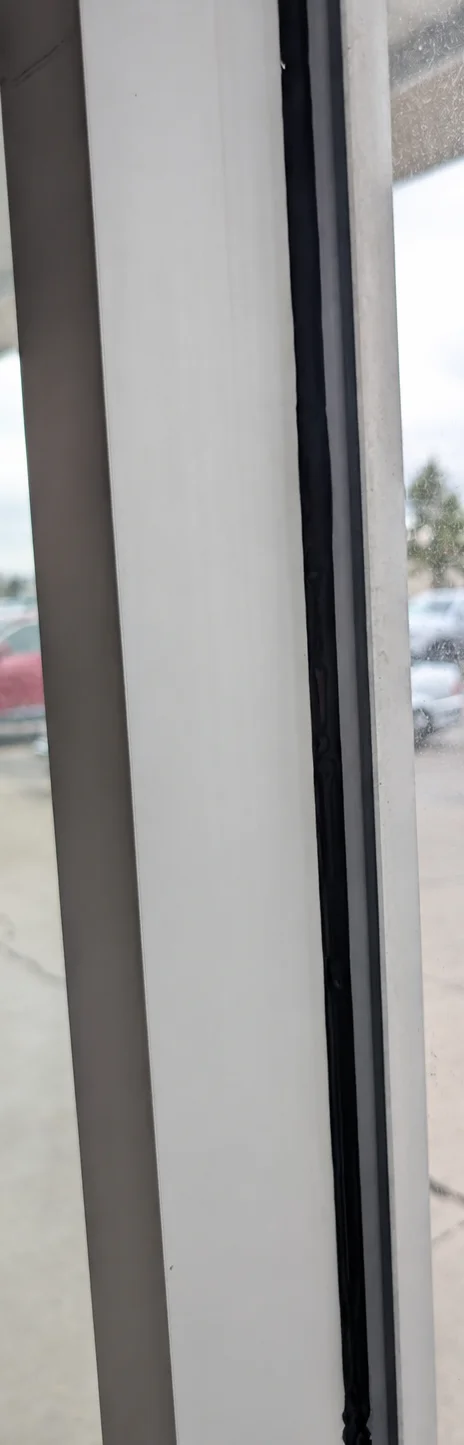
3M Safety & Security film demonstration. The demonstrated assembly may differ from your glass and frame.
In the demonstration, the struck pane fractures while the film helps hold the pieces together. That is the useful function: glass retention and possible added delay. The result on a real opening depends on the film, glass, frame, attachment, tools, impact and persistence.
For your home
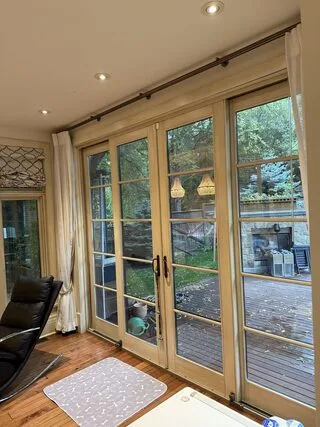
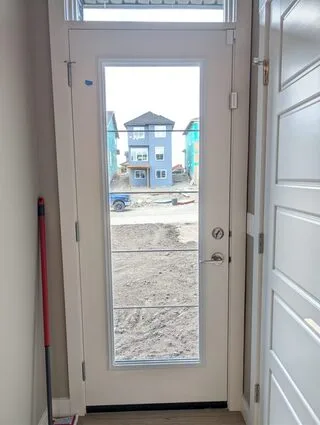
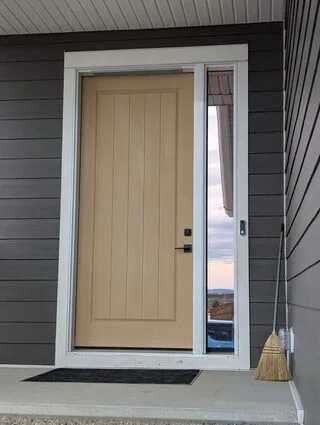
- Helps retain fractured glass on basement windows, walkout doors, and entry sidelights.
- Can add a clear containment layer without bars or shutters.
- Works alongside locks, lighting, alarms and response planning; it does not replace them.
For your business
- Supports glass containment and may add delay on storefront and ground-floor glazing.
- Can reduce loose glass after a break-in attempt, storm, or accidental impact.
- Can often be installed around operating hours; access and cure requirements are confirmed before scheduling.
It is not bulletproofing and it does not guarantee prevention of entry, injury, damage or closure. Read 3M’s product and application limitations.
Project fit
Glass, access, protection goals, and schedule shape the security film and installation approach we recommend.
Glass preparation
Glass prep, clean edges, film layout, and manufacturer method matter as much as the final installation.
Warranty terms
Film and material coverage, where it exists, is manufacturer-provided, set and administered by the manufacturer under its own written terms, and not a Wall Style Innovations warranty; any term is as stated on your quote. Our workmanship warranty is 1 year for residential projects and 2 years for commercial projects.
What to confirm
Confirm the risk level, film specification, attachment needs, and realistic protection expectations before selecting a system.
Site review
Photos, measurements, glass condition, and film details show whether we can estimate remotely or need a site visit.
Pricing factors
Film specification, access, prep, pane size, glass compatibility, and scheduling can change the final price.
Installation sequence
We confirm glass prep, protection, film handling, installation method, cure or dry time, and final review before handoff.
Glass Protection Detail
Security film scope depends on glass, frame, risk, and attachment
Security film can help hold broken glass together after impact, but it does not make glass unbreakable. A useful recommendation depends on pane size, frame condition, film thickness, edge detail, exposure, and the risk you want to reduce.
Film-only or attached
Some projects may be reviewed as film-only. Higher-risk storefront or institutional glass may need an attachment-supported discussion so the film is connected more securely to the frame system.
What we need to see
Photos from inside and outside, frame depth, glass size, door hardware, access, and surrounding obstructions help determine whether the scope is straightforward or needs a site review.
Honest limits
Security film supports glass containment and delay. It is not a guarantee against break-in, forced entry, or property damage. Clear expectation-setting is part of a responsible quote.
Anti-Shatter Window Film for Glass Containment
Anti-shatter window film, also called safety or security window film, is selected when the goal is to help hold broken glass together after impact. It can support glass containment for vulnerable doors, storefronts, schools, clinics, offices, and hail-exposed panes, but it should be described as shatter-resistant protection rather than shatterproof glass.
DuraFilm and 3M security film in Calgary — what we install, and what decides the spec
People search for DuraFilm by name, so here is the straight answer: we install Madico’s DuraFilm line and 3M safety and security film, and installed in Calgary both run $14–$25 per square foot for residential glass and $16–$25 for commercial 8 mil. Silicone edge anchoring, where the glazing calls for it, is quoted separately.
What we will not do is sell you a brand. Both are multi-layer polyester safety films from established manufacturers, and on a real Calgary job the label on the roll is almost never what changes the outcome — these are:
- Thickness for the risk. 8 mil clear is the residential standard for basement windows, patio doors, and sidelights. 12 mil suits storefront and retail exposure; 14 mil is for institutional and critical-infrastructure glass.
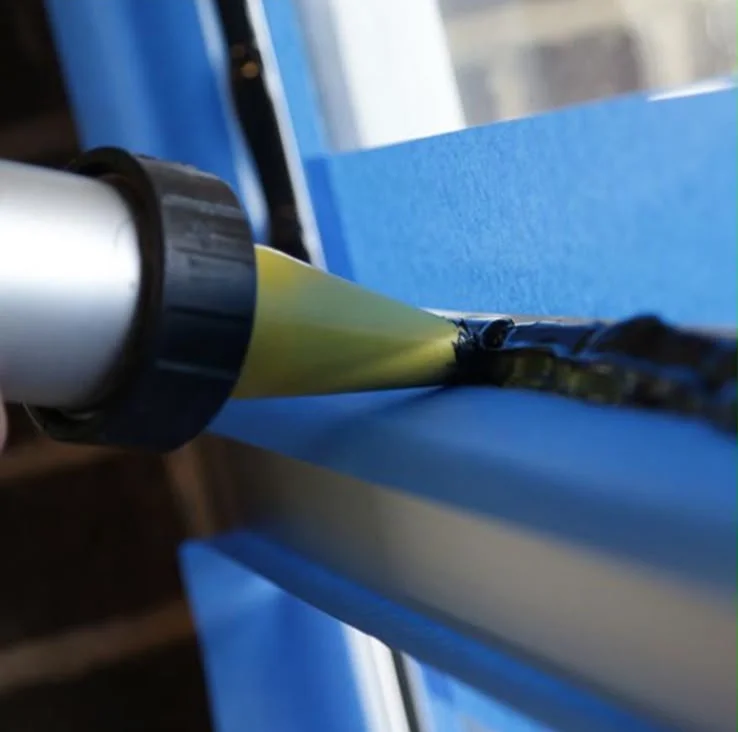
- Whether the film is anchored. Film held only by the glass surface behaves differently than film anchored into the frame with a silicone bead. On large or high-risk panes, the attachment decides the performance.
- Glass type and pane size. Tempered, laminated, and sealed double-glazed units each change what can be applied and what it will do.
- Frame depth and edge detail. How much glass the frame covers determines whether a daylight-edge or anchored install is even possible.
- Clear or tinted. Security film can be near-invisible, or combined with solar control if heat and glare are also a problem.
So when a quote names DuraFilm and another names 3M at the same thickness and the same attachment method, you are looking at two comparable systems. Ask instead what mil is specified, whether the edges are anchored, and what the installer warrants — that is where quotes actually differ.
Security film scope table
Security film should be described as glass-containment and delay support, not as break-in proof glass. These rows show the specification details buyers, property managers, and insurers usually need before choosing the right product.
| Scope Type | Best Fit | What Changes the Recommendation |
|---|---|---|
| Safety filmGlass containment after breakage | Schools, offices, interior partitions, sidelights, and glass where broken shards are a concern. | Pane size, glass type, film thickness, edge detail, and whether the goal is safety, privacy, or solar performance. |
| Security film – film onlyRisk reduction for vulnerable glass | Storefronts, ground-floor commercial glass, patio doors, and exposed residential openings. | Glass size, frame condition, access, risk profile, and whether an attached system should be reviewed. |
| Attachment-supported reviewHigher-risk commercial glass | Retail storefronts, clinics, schools, managed properties, and high-exposure doors or windows. | Frame system, anchoring method, film gauge, warranty requirements, operating hours, and site-specific security goals. |
| Combined film goalsSecurity plus privacy or solar control | Commercial entries, offices, clinics, and homes needing more than one result from the same glass. | Priority order matters: containment, glare, heat, privacy, appearance, and glass compatibility should be prioritized before product selection. |
For per-square-foot ranges and sample budgets, see the Calgary window film budget estimator.
Performance and warranty notes
Performance numbers for UV, heat, glare, privacy, or glass containment are manufacturer-rated for the specific product and glass system. Real-world results vary, so we confirm the expected fit before quoting.
Storefront and facility security belong in a commercial specification
Retail storefronts, offices, clinics, restaurants, schools and managed properties have different pane sizes, frames, access rules and operating constraints from a residential project. Use the commercial security window film guide for film gauge, attachment, scheduling, documentation and honest limitations.
Schools and eligible community organizations should use the separate Alberta security-film grants guide. Hail questions are covered in the Calgary hail-resistant film guide. Keeping those topics on their evidence pages avoids repeating stale funding, warranty or performance claims here.
Need glass protection reviewed? Send photos of the glass, frame, and location, then we can recommend a security film path.
How to compare 3M, Madico and XPEL security film quotes
A brand name is an entry point, not a complete specification. For every option, the quote should identify the exact product, thickness, compatible glass, attachment detail, appearance, published data and current written warranty.
- Thickness: useful for narrowing products, but not a universal delay or risk rating.
- Glass and frame: determine compatibility and whether the retained sheet can stay connected to the opening.
- Attachment: must be named where required or recommended; film-only and attachment-supported systems are not the same scope.
- Other goals: heat, glare, privacy and anti-graffiti protection need product-specific data and may change the selection. See the commercial film overview for those separate needs.
Use the manufacturers’ current technical information as the evidence layer: 3M safety and security guidance, Madico safety and security, and XPEL product specifications.
Security Film Installation Service — Calgary & Area
WSI reviews residential openings, commercial storefronts and institutional glass throughout Calgary and area. A useful first review needs photos from both sides, frame close-ups, approximate pane dimensions, hardware, access conditions and the risk you want to reduce.
For planning ranges, see the Calgary window film cost guide. For storefront and facility specifications, use the commercial security window film guide.
What a verifiable security-film quote includes
Do not accept a brand name or a thickness as the whole specification. A useful quote records:
- Exact product and film gauge, with a current technical data sheet.
- Observed glass and frame details, plus any assumptions that still need confirmation.
- Film-to-glass compatibility and attachment method for the proposed opening.
- Written scope, exclusions, cure and inspection guidance, and separate workmanship and manufacturer warranty terms.
WSI can compare suitable 3M, Madico and XPEL options when current availability and glass compatibility allow. The cost guide covers planning ranges; the final quote identifies the proposed system.
Architectural and insurance specifications often refer to this as safety glazing film. Our glazing film installation applies to both residential and commercial glass — for storefronts and institutional openings, see commercial glazing film installation.
